 Manufacturer of disposable household products since 1972
 1
1
Starting with a plant source
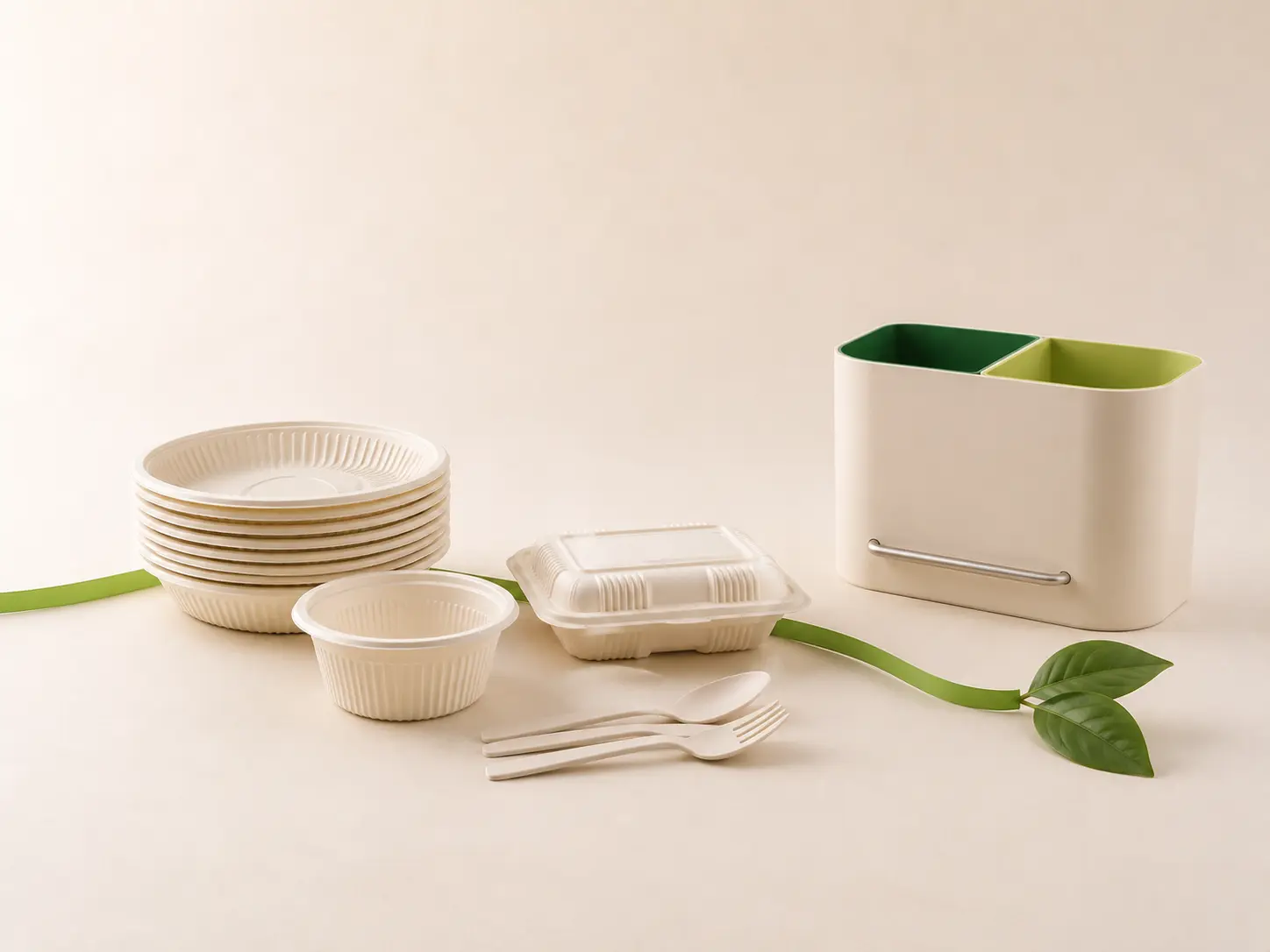
Corn or wheat starch forms the base of this tableware family—an option for increasing plant-derived material content while retaining everyday food-service utility.
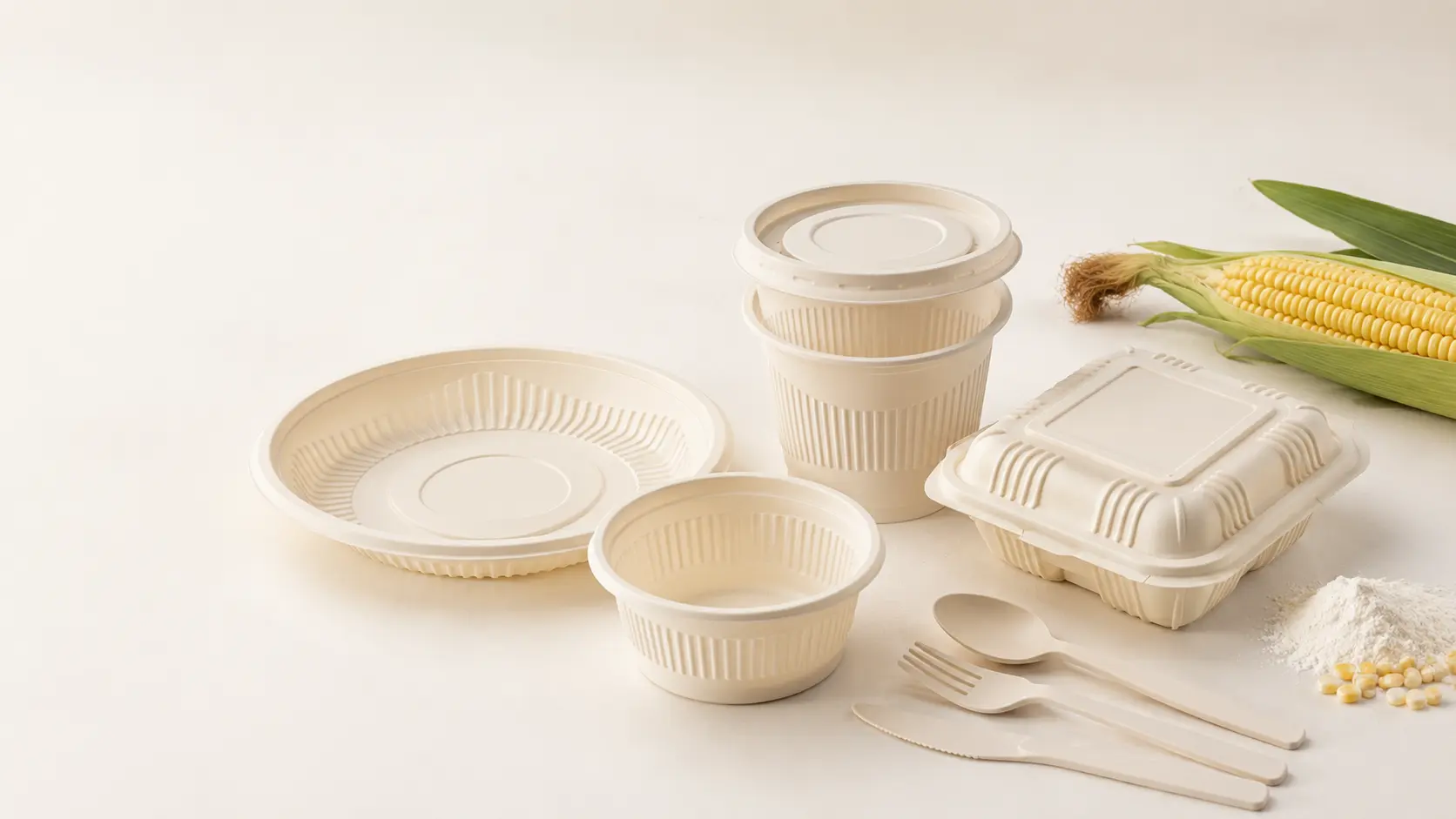
STARCH-BASED PLANT TABLEWARE
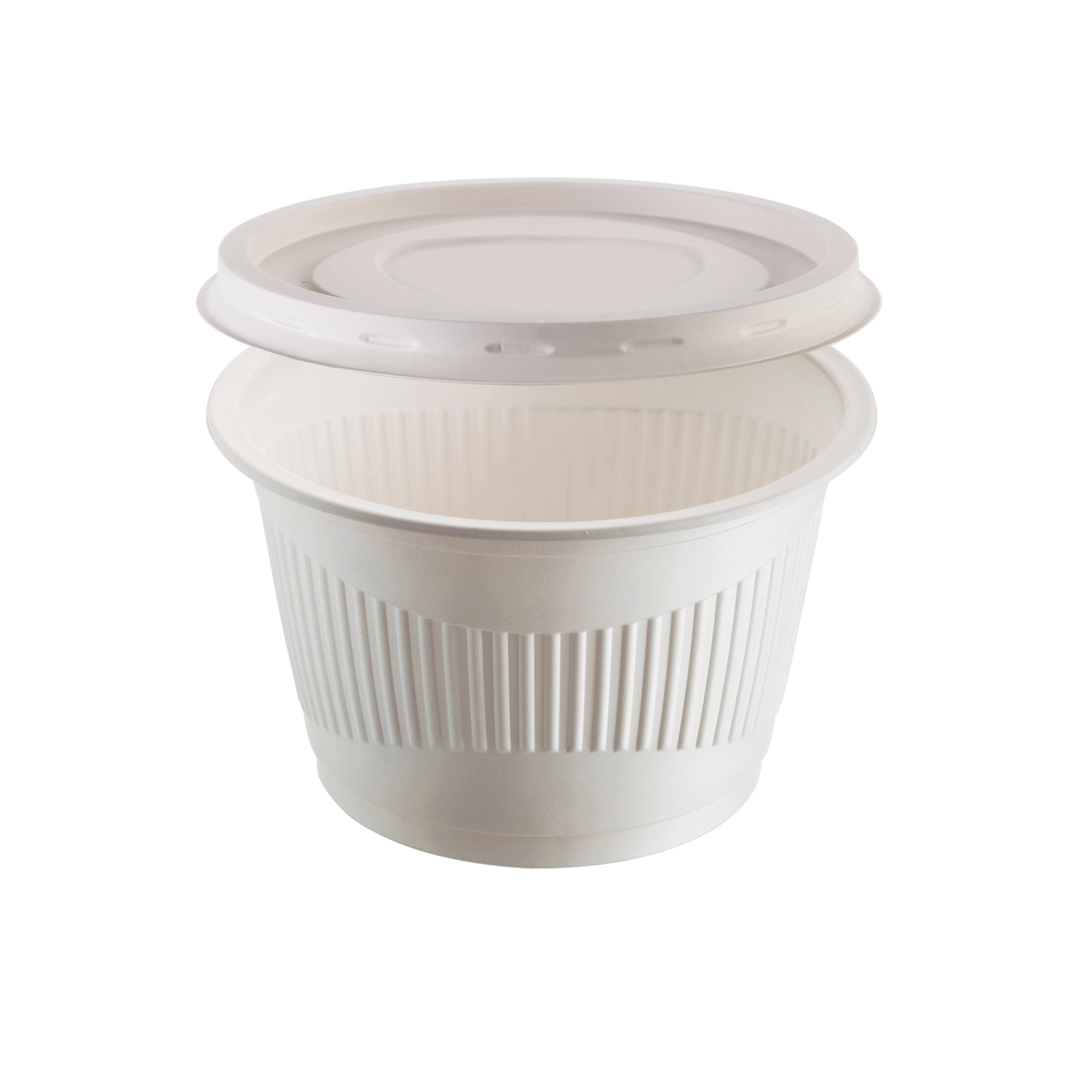
Tableware based on corn or wheat starch, available in practical formats for serving and transporting food. Models in this range are designed for microwave and freezer use and resist normal contact with oil and moisture.
A PRACTICAL DIFFERENCE
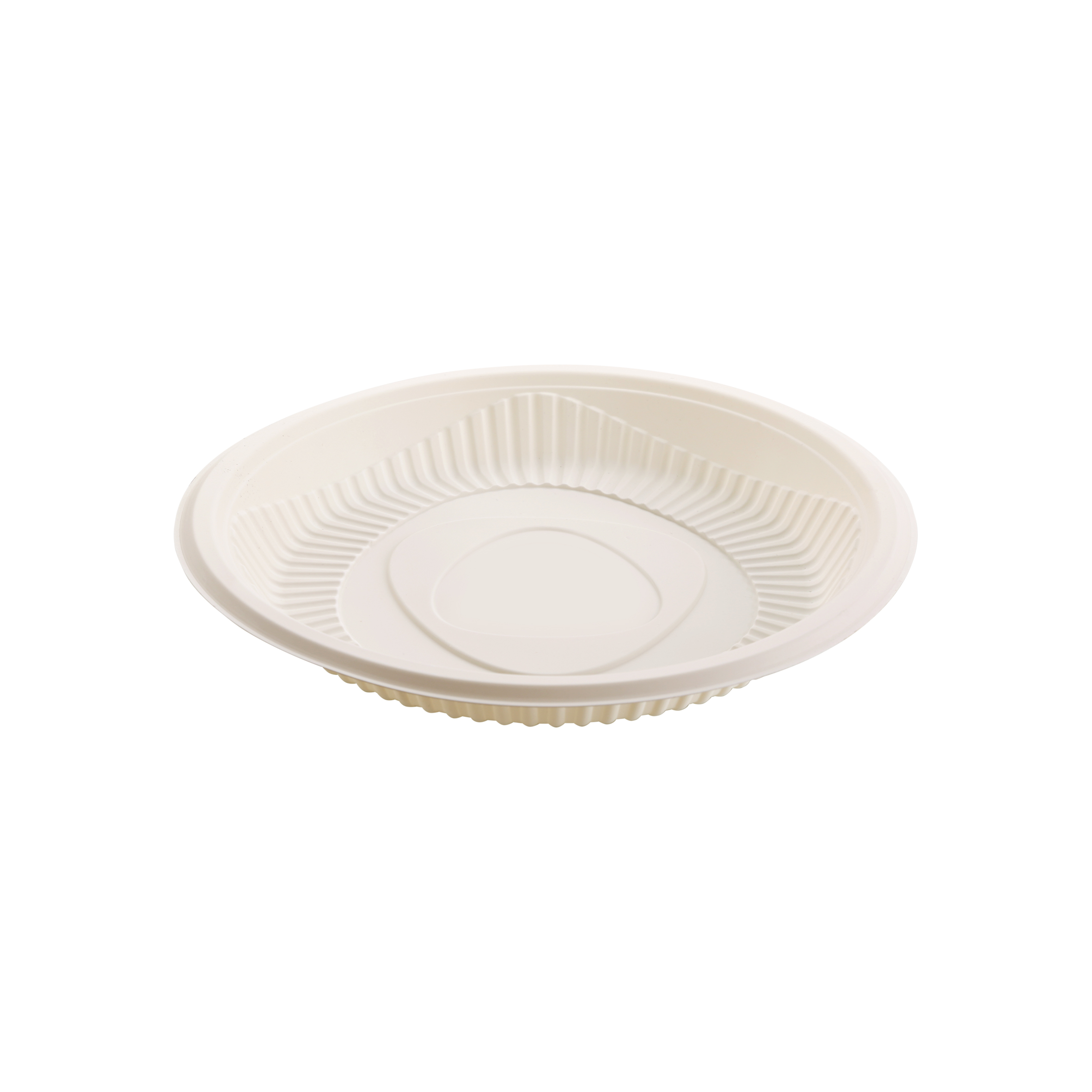
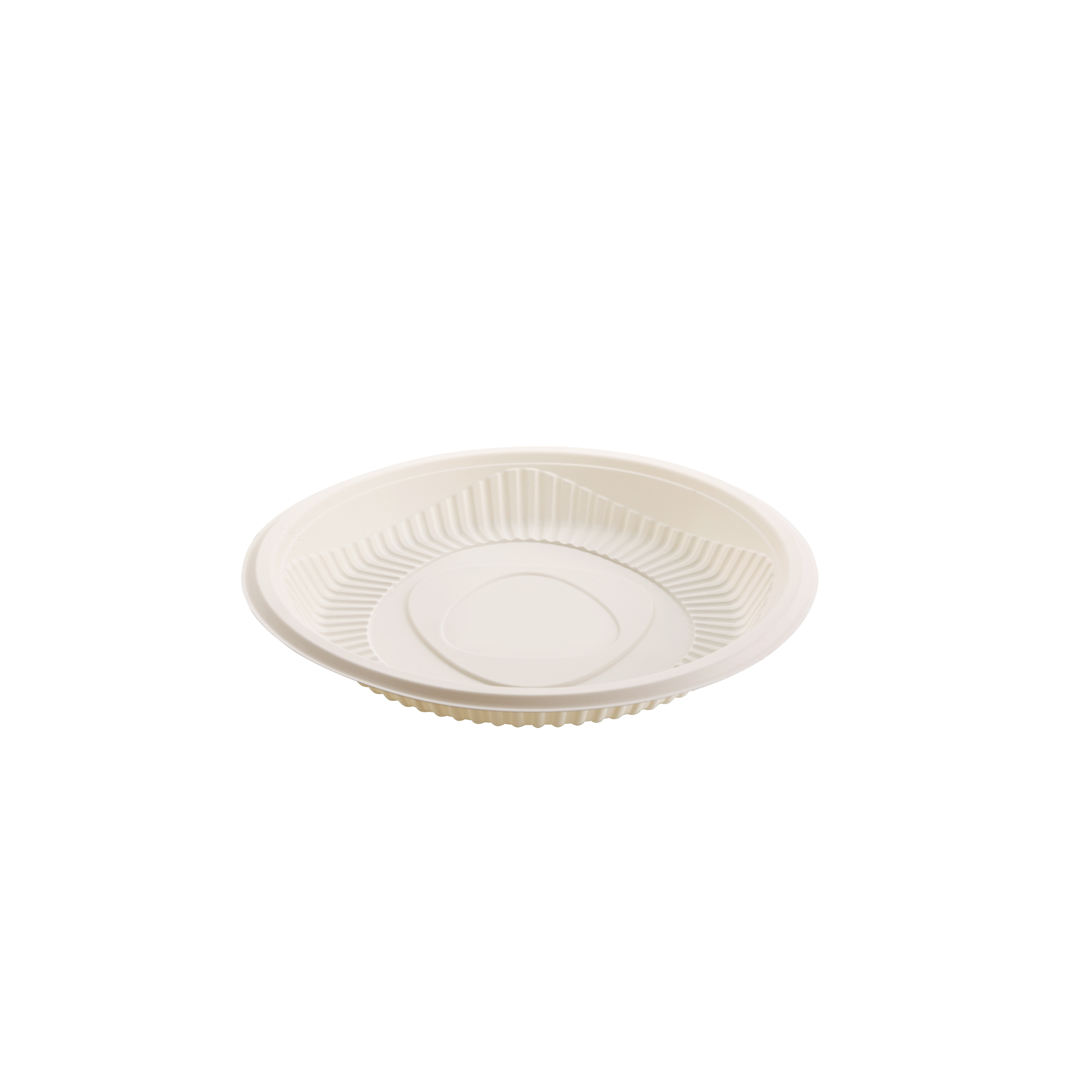
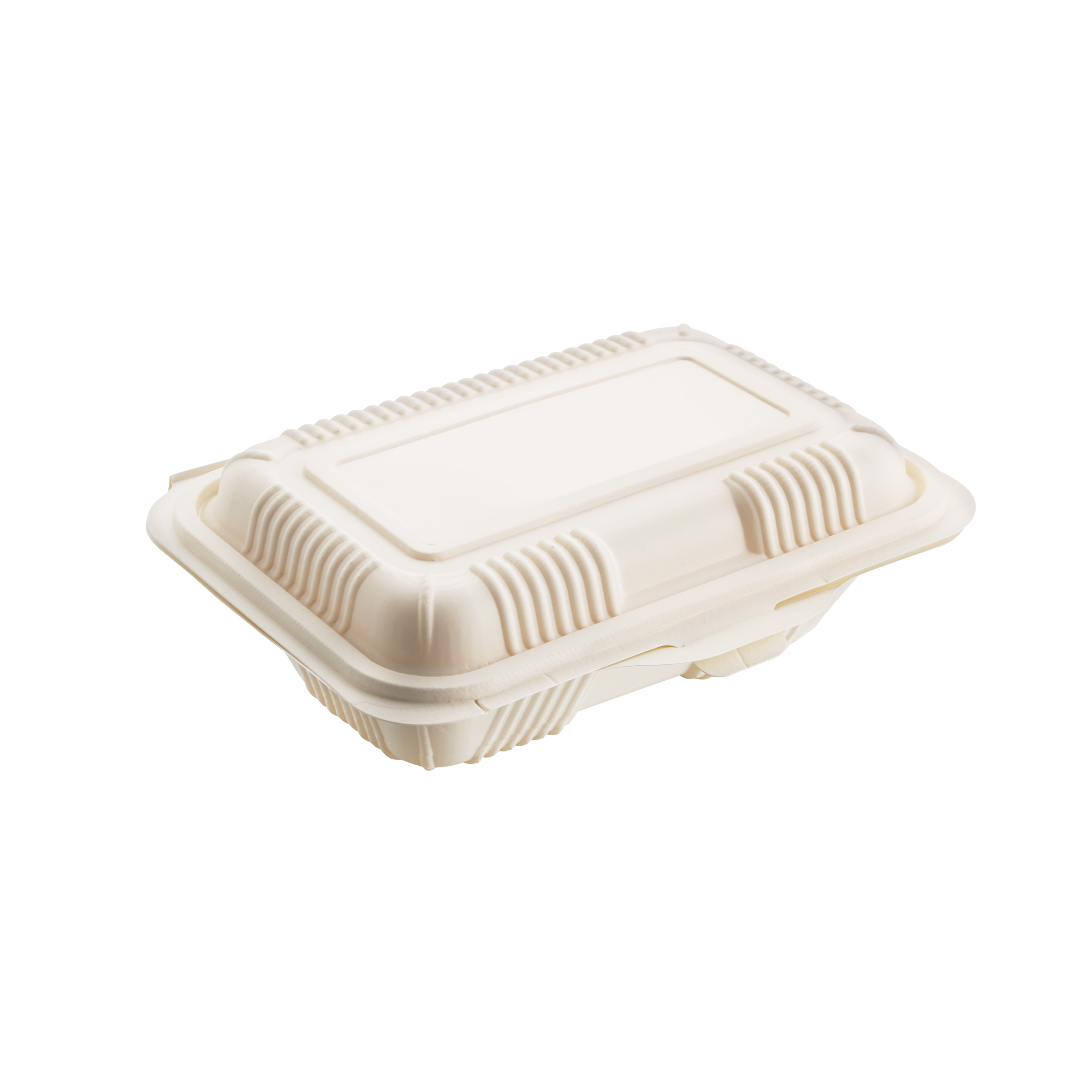
Compared with the fibrous texture of bagasse, this family offers a more uniform surface and more defined moulded details. Formats ranging from plates and bowls to lidded containers, divided trays and cutlery make it easier to match the product to the food and service method.
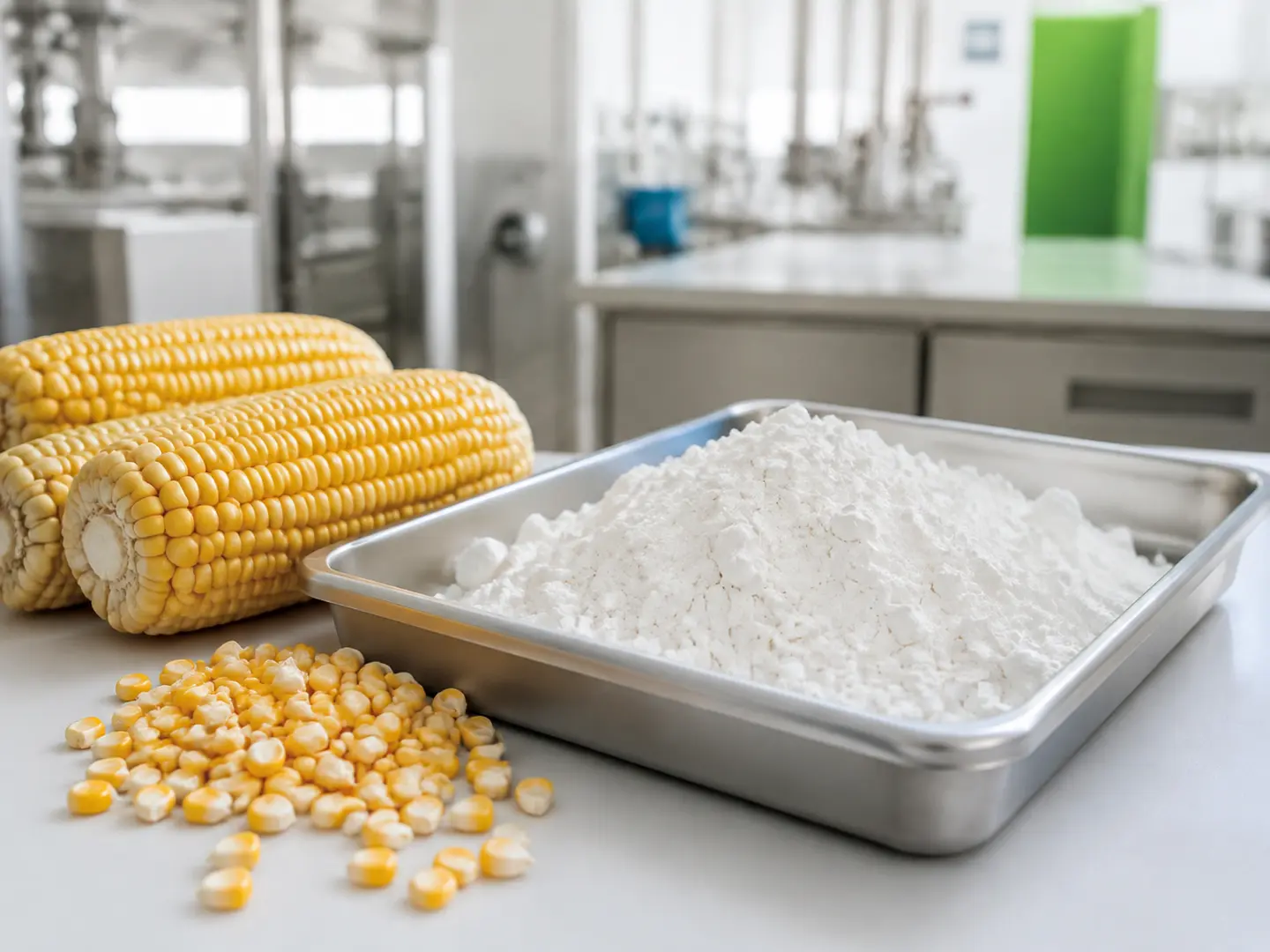
FROM SOURCE TO USE
A visual story of material origin, versatile formats, everyday performance and responsible use
1
Corn or wheat starch forms the base of this tableware family—an option for increasing plant-derived material content while retaining everyday food-service utility.
 2
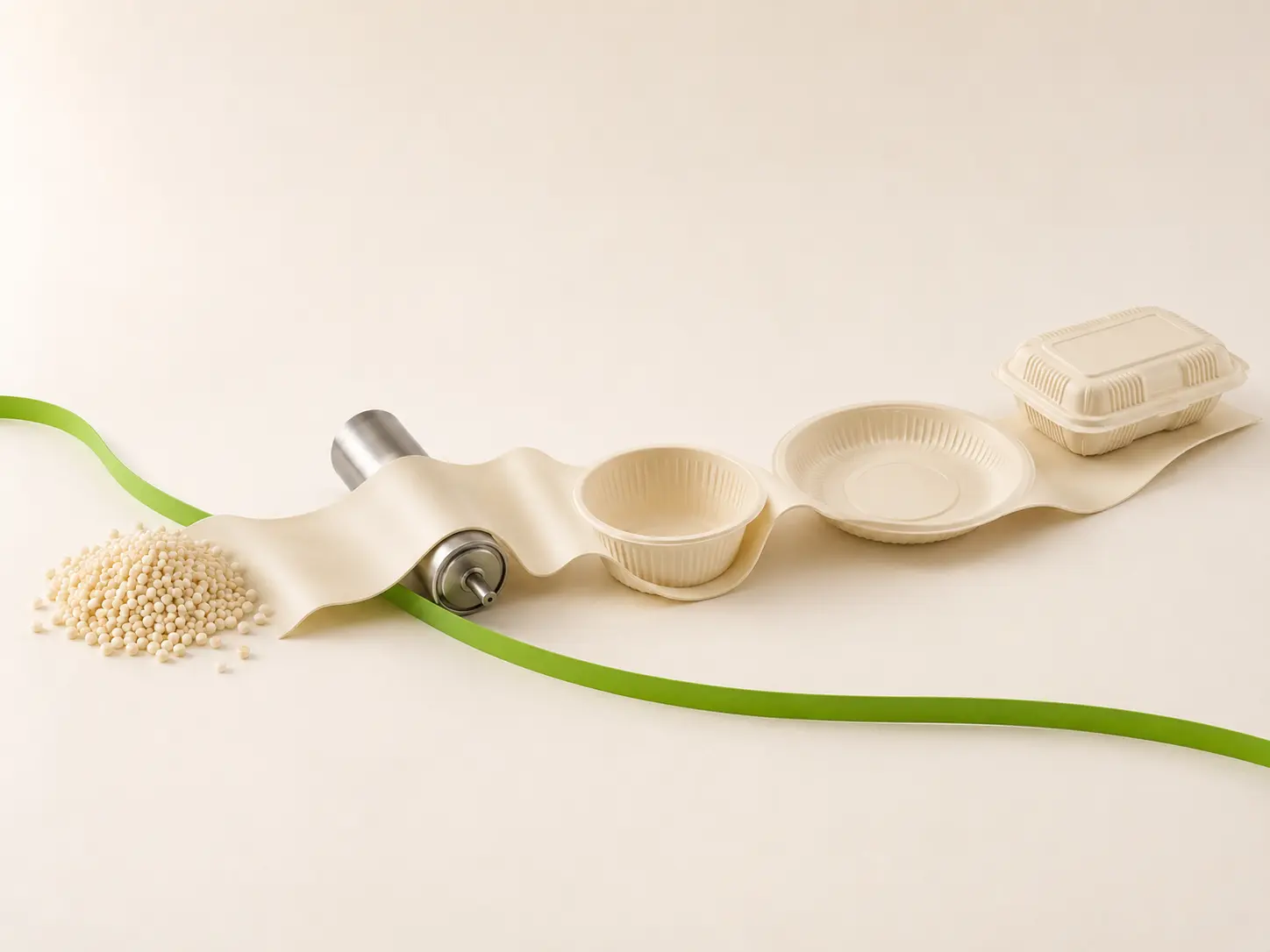
2
The material can be formed into plates, bowls, trays, lidded containers and cutlery, allowing the format to match the food, portion size and transport method.
 3
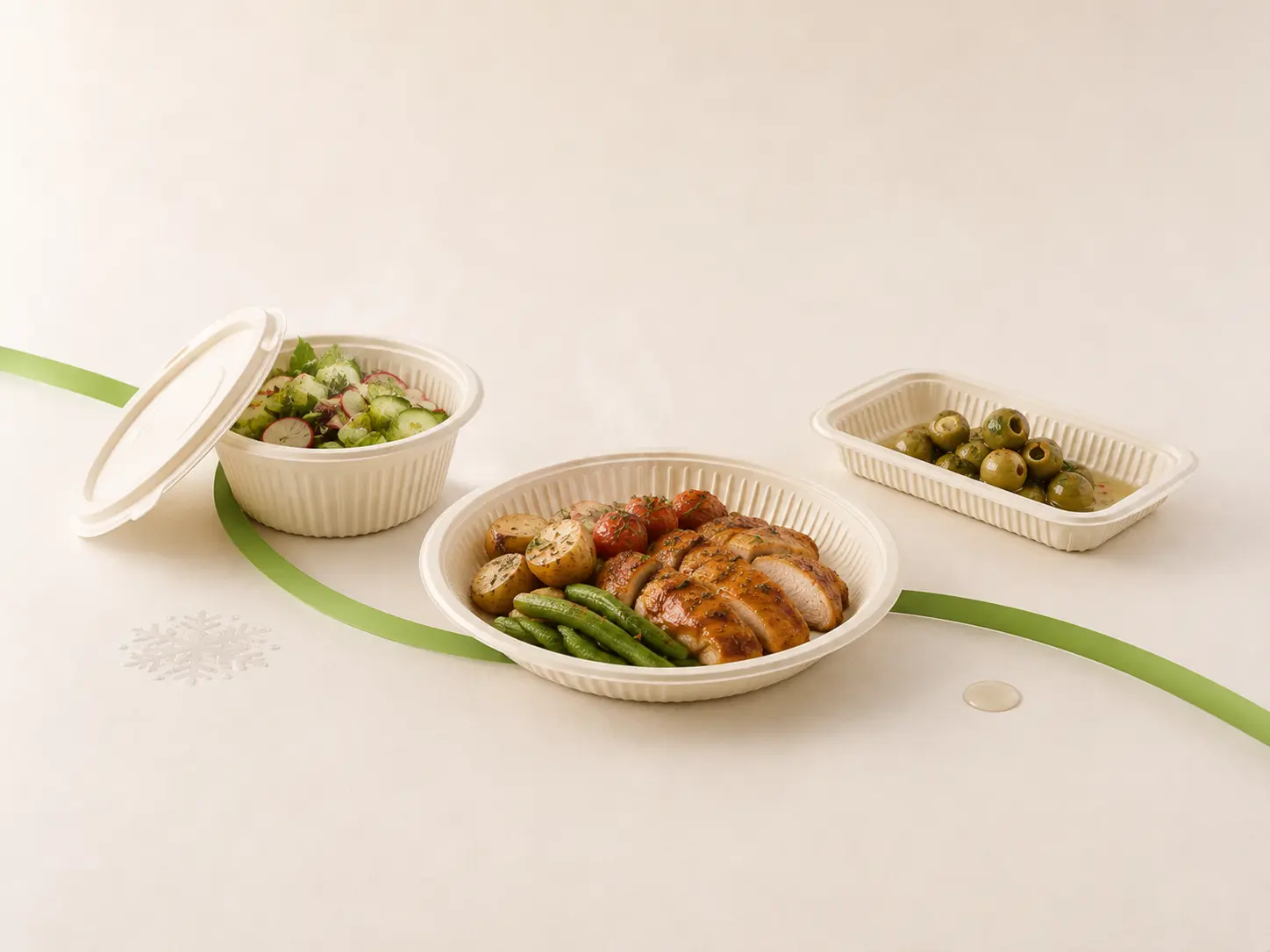
3
Models in this range are designed for microwave and freezer use and perform well in normal contact with oily and moist foods. Follow the use instructions supplied with each model.
 4
4
The right format makes serving and transport easier. After use, separating the item from food waste and following the locally available waste-management route are important parts of responsible use.
MATERIAL AND PERFORMANCE
A clear view of this range’s functional and material benefits
CHOOSE BY USE
Choose according to food type, portion size, lid requirements and journey time
An open format for neat presentation of main meals, starters and event food
A practical choice for salads, desserts, moist food and takeaway orders
Keeps rice, sauces, sides and other meal components separate
Completes event and takeaway sets with a coordinated appearance
TWO DIFFERENT OPTIONS
The better fit depends on the desired appearance, food type and required format.
A semi-matte surface with defined moulded details across plates, bowls, lidded containers, trays and cutlery—well suited when format variety and a neat presentation matter.
A matte, fibrous appearance across moulded plates, bowls and food containers—well suited when the natural feel of the material is a priority.
PRODUCTS IN THIS RANGE
Compare this range by format, size and intended use
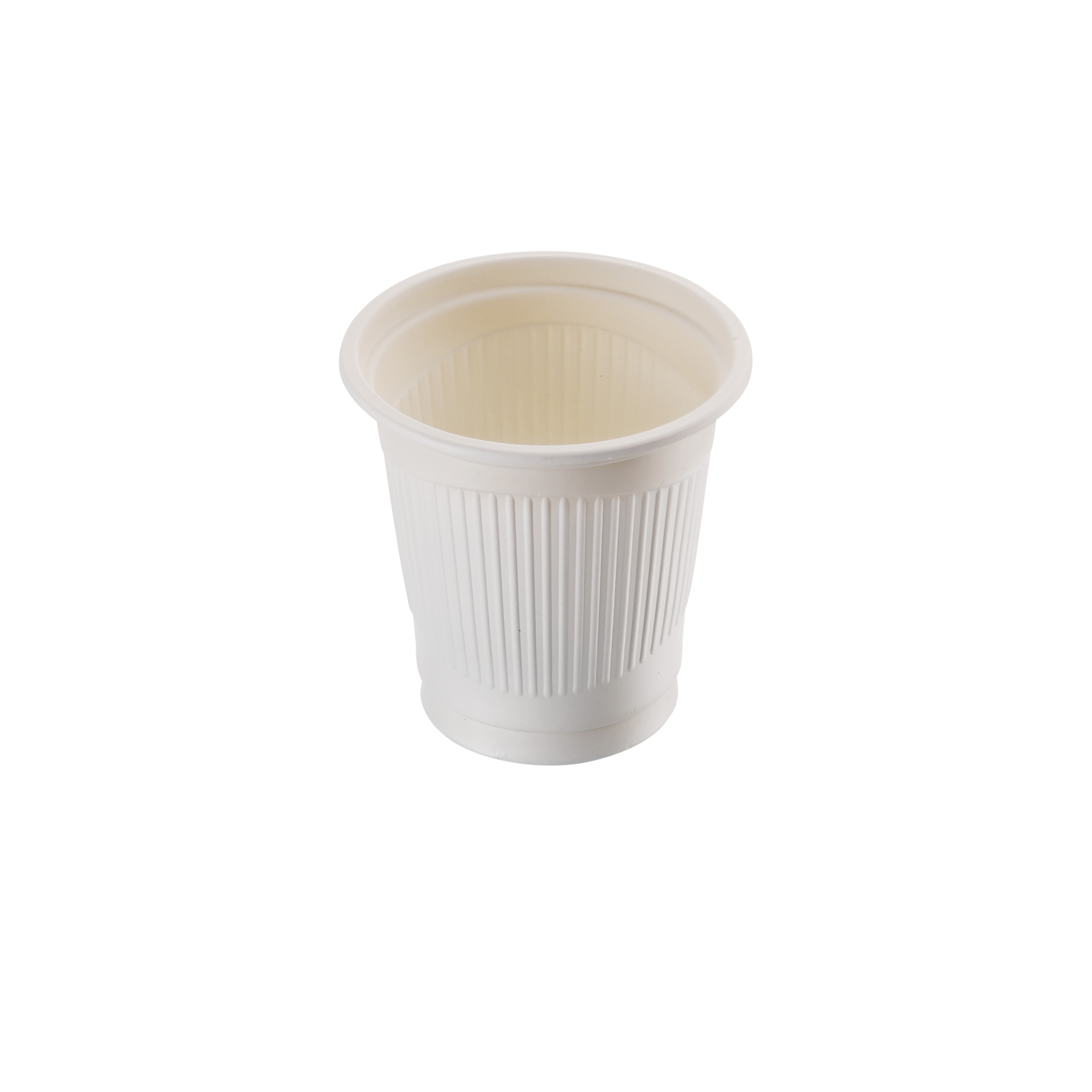
Drinks and hospitality
View specifications →
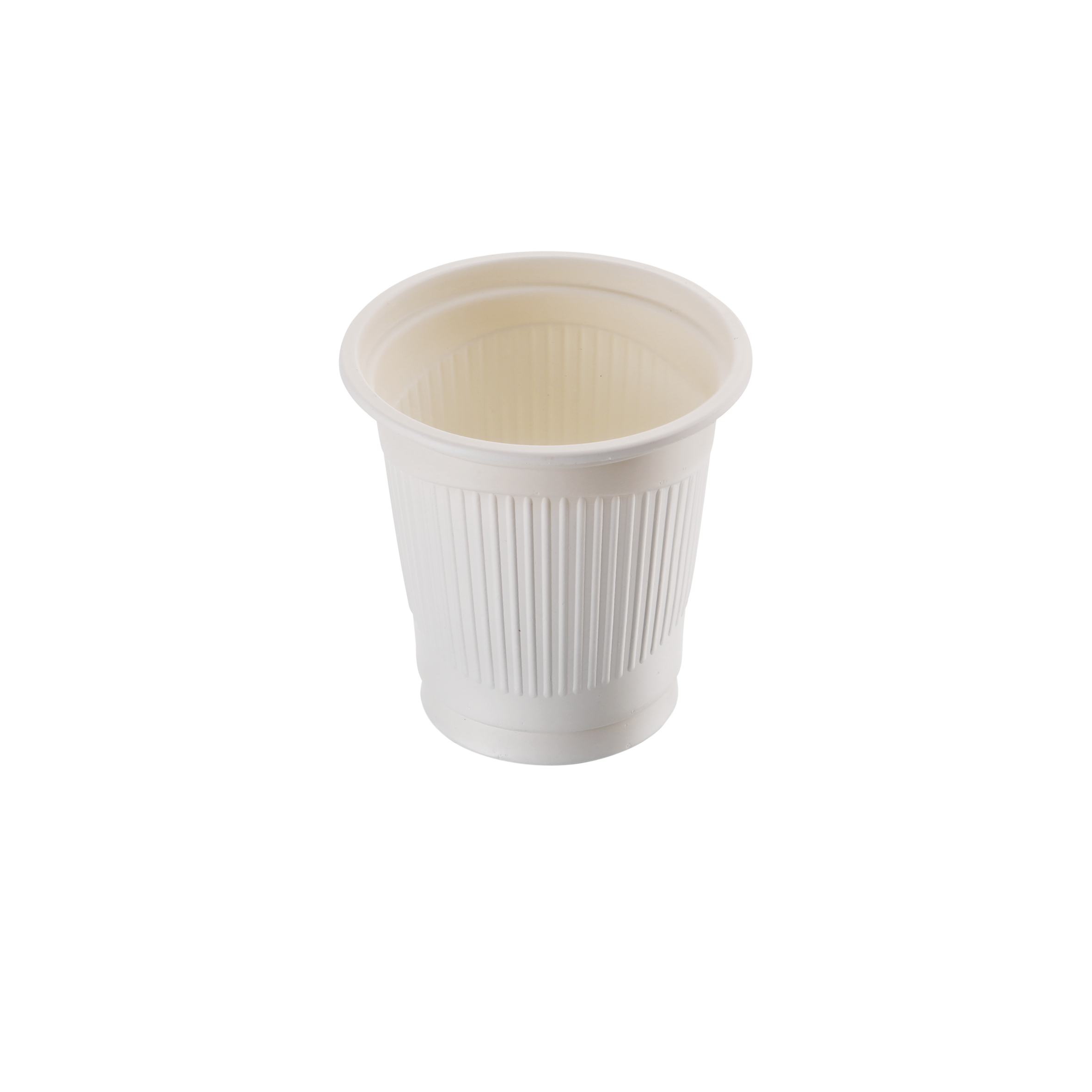
Drinks and hospitality
View specifications →
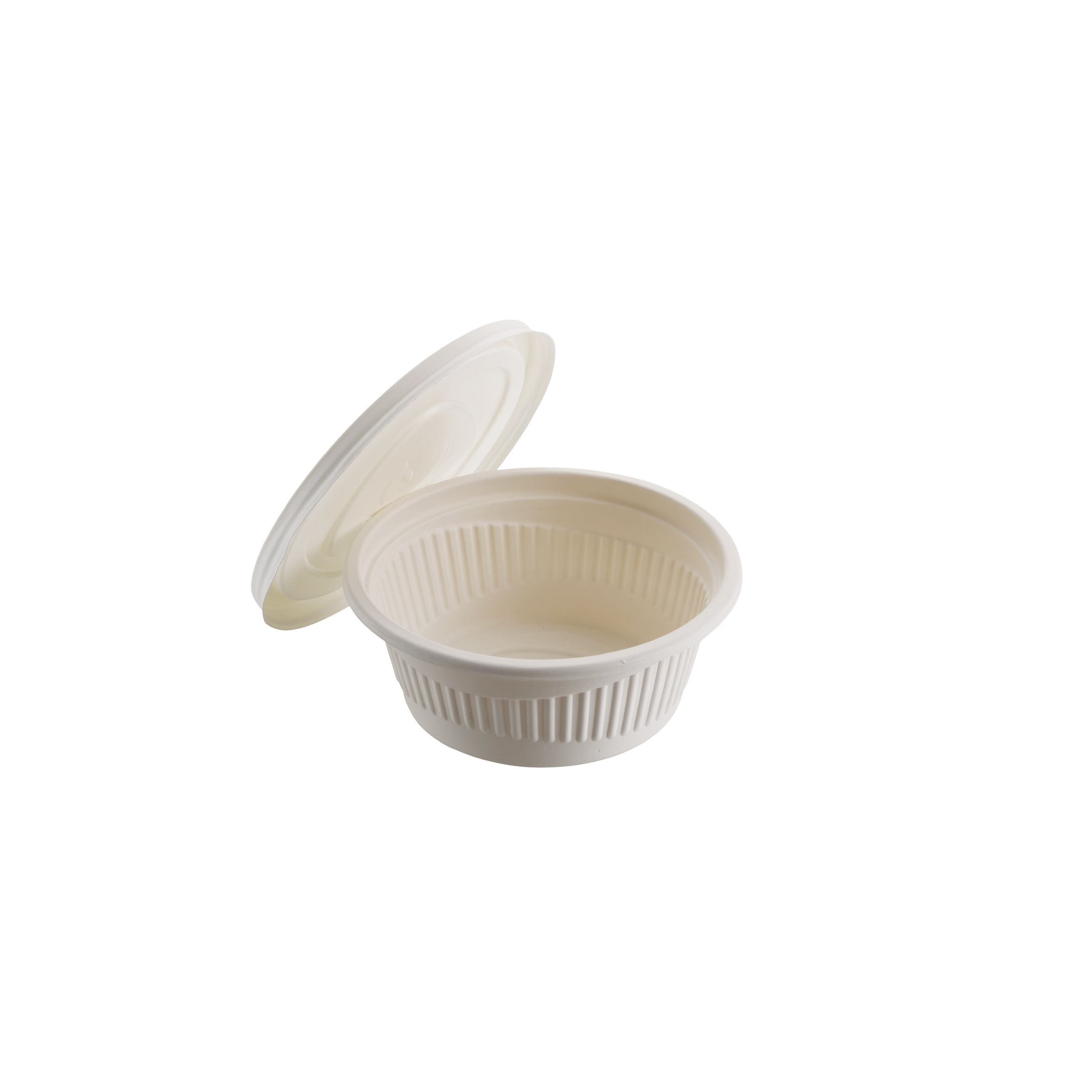
Salads, desserts, soups and sides
View specifications →
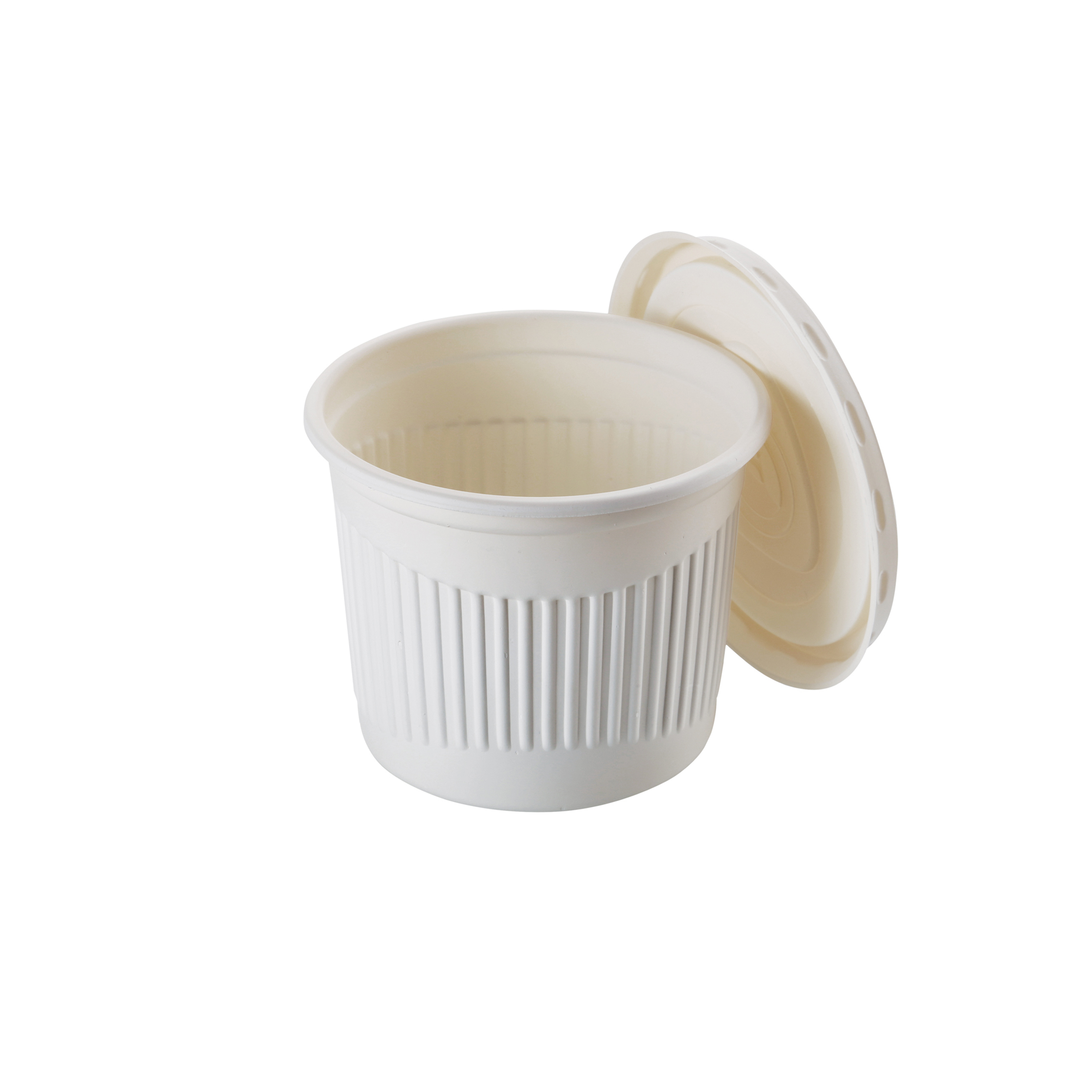
Salads, desserts, soups and sides
View specifications →
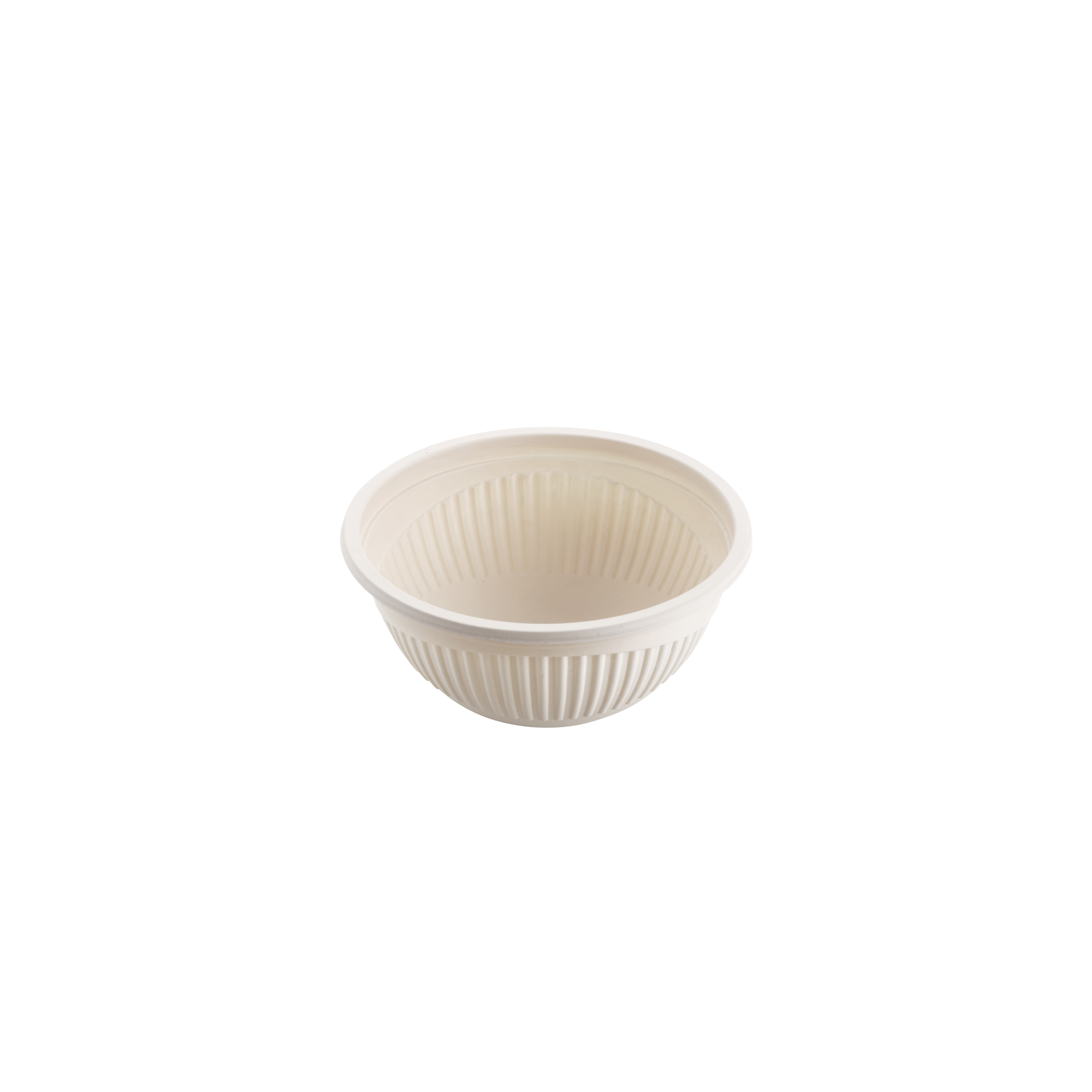
Salads, desserts, soups and sides
View specifications →
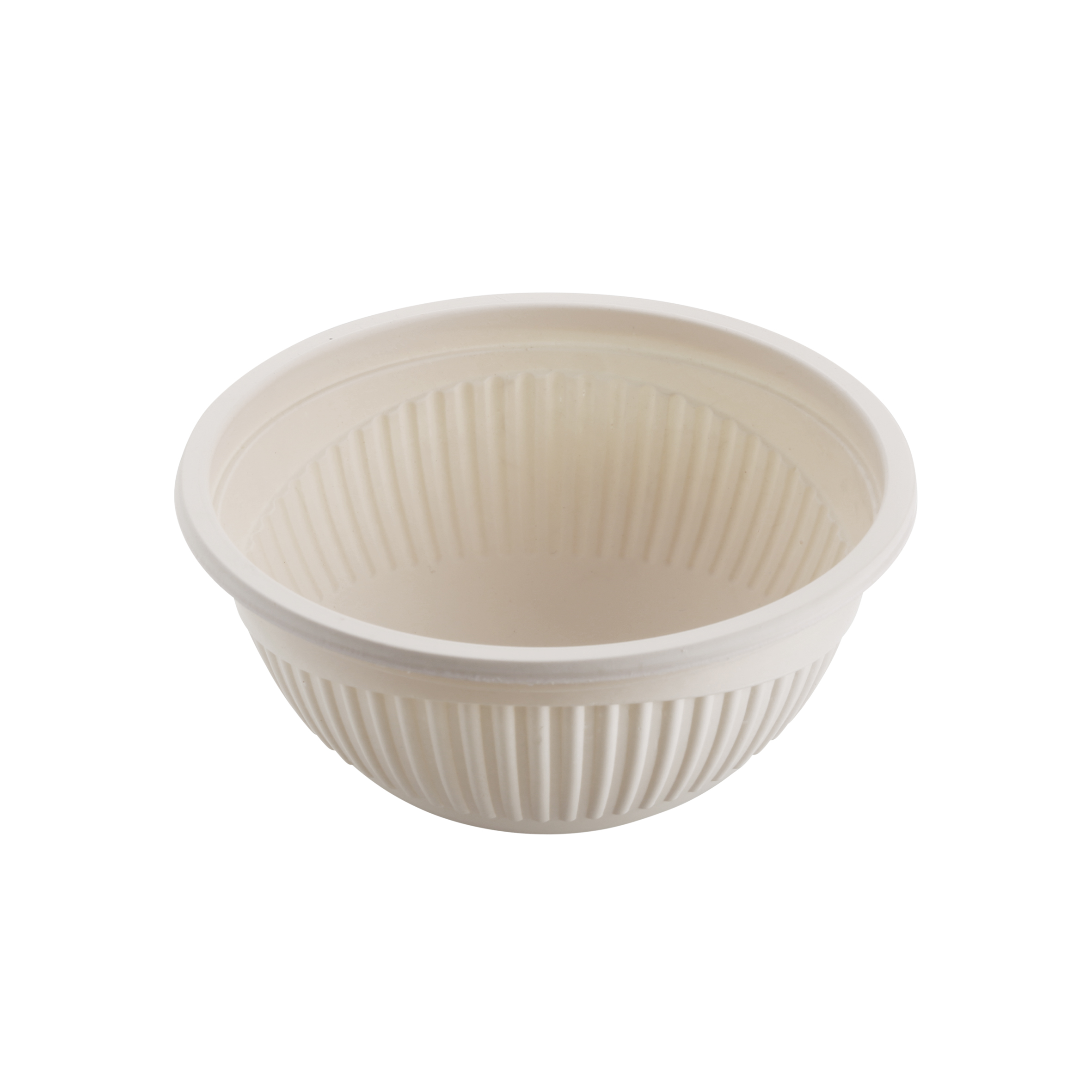
Salads, desserts, soups and sides
View specifications →
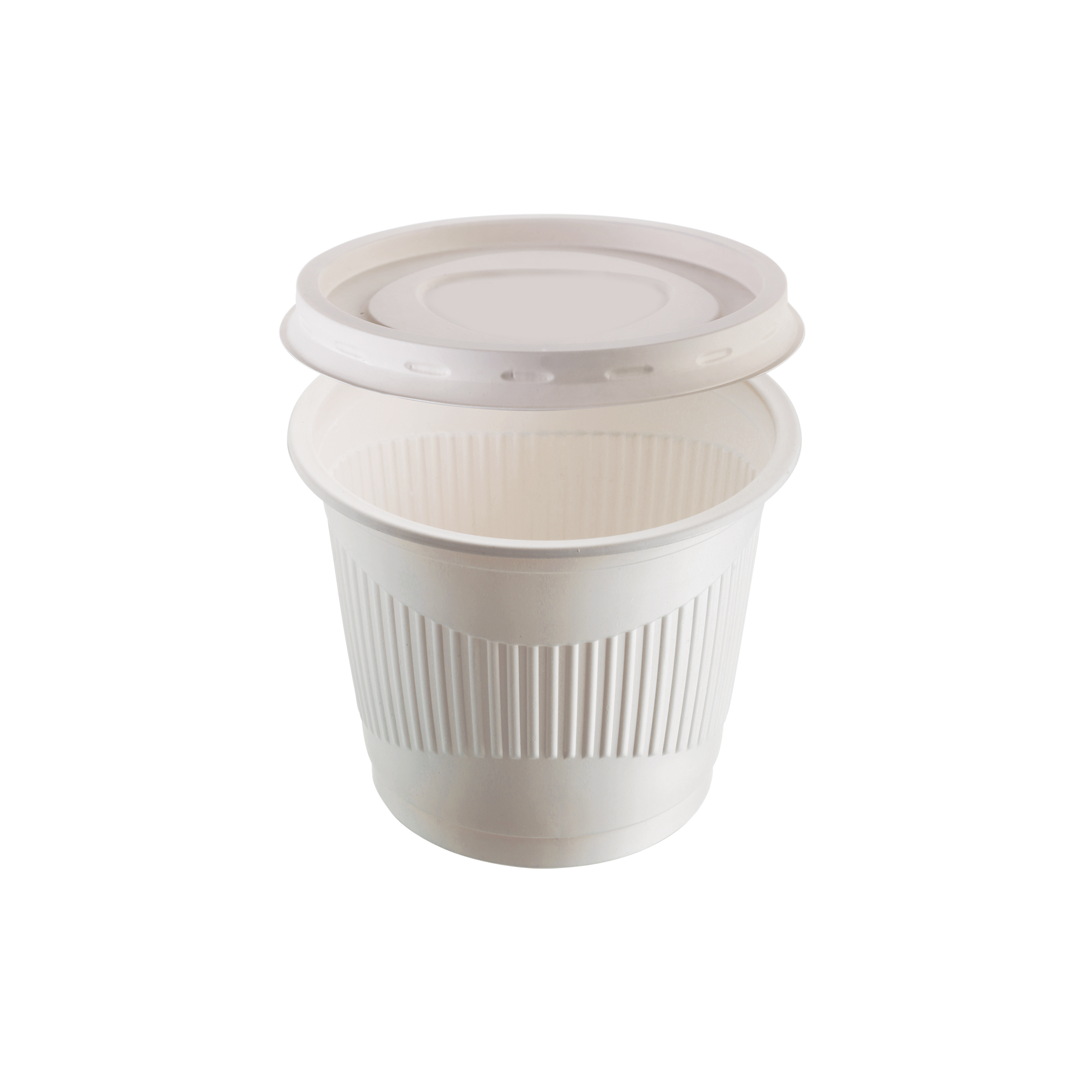
Storage and takeaway meals
View specifications →
Storage and takeaway meals
View specifications →
Food service and catering
View specifications →
Food service and catering
View specifications →
Main meals and divided service
View specifications →
Food service and catering
View specifications →
Main meals and divided service
View specifications →
Main meals and divided service
View specifications →
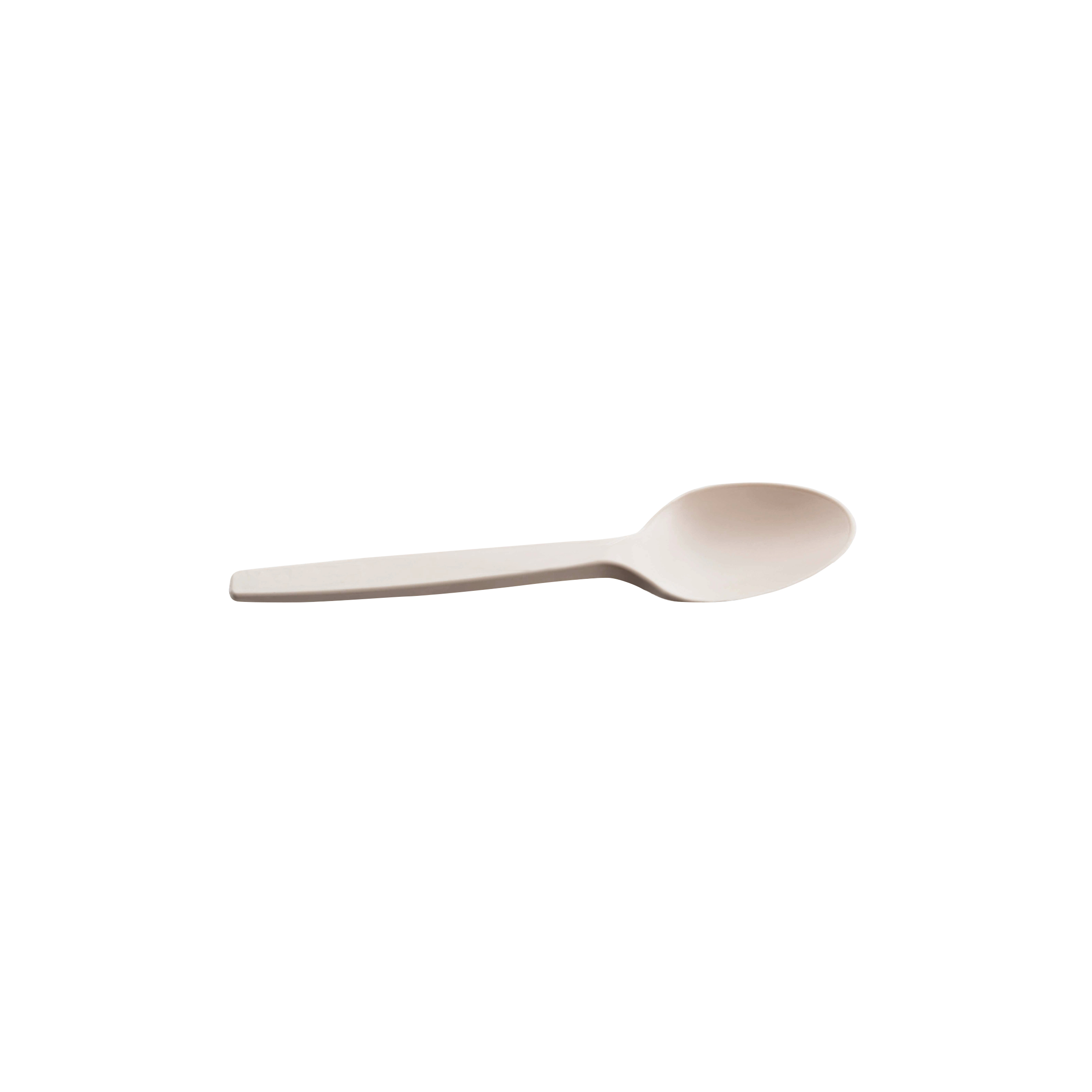
Service, catering and takeaway
View specifications →
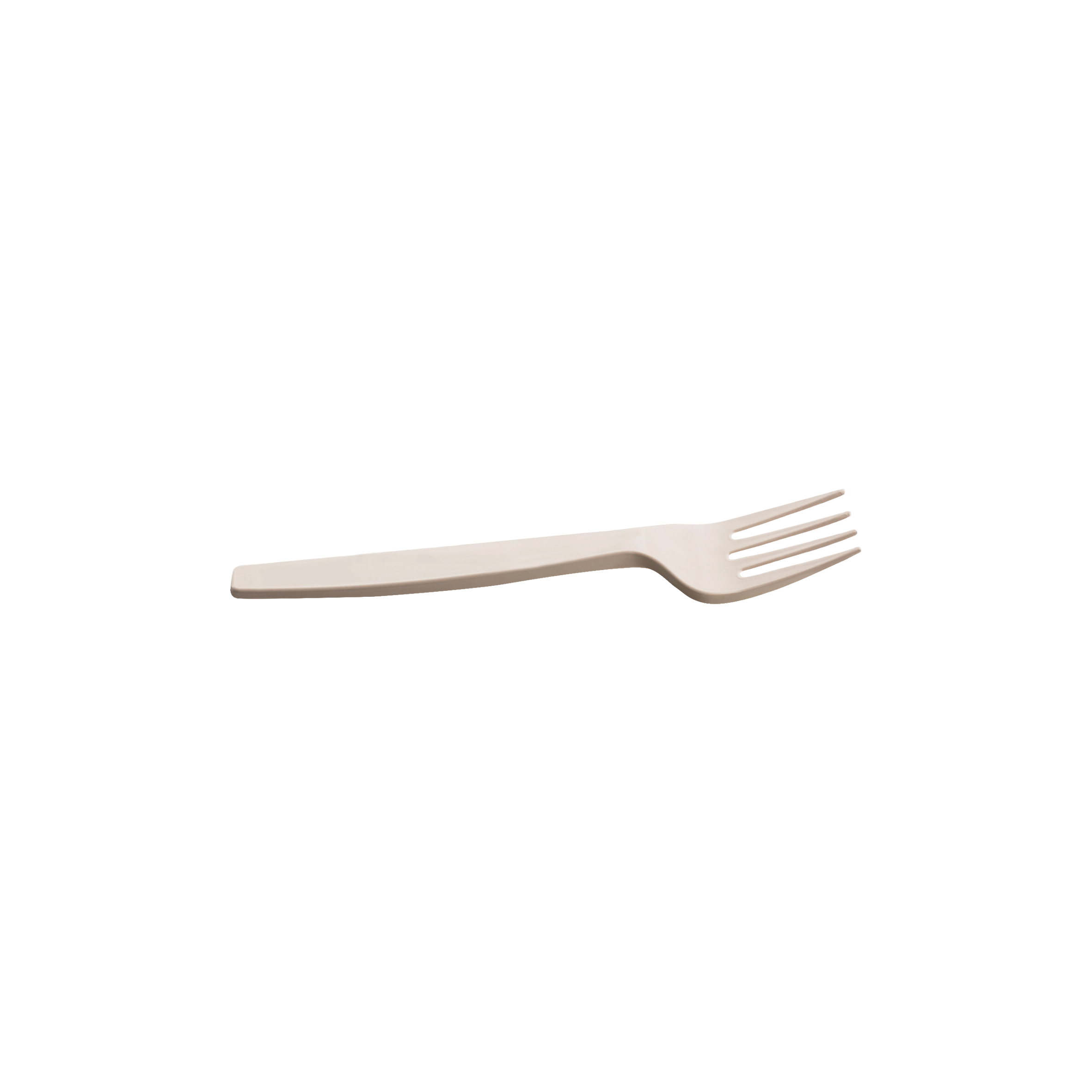
Service, catering and takeaway
View specifications →
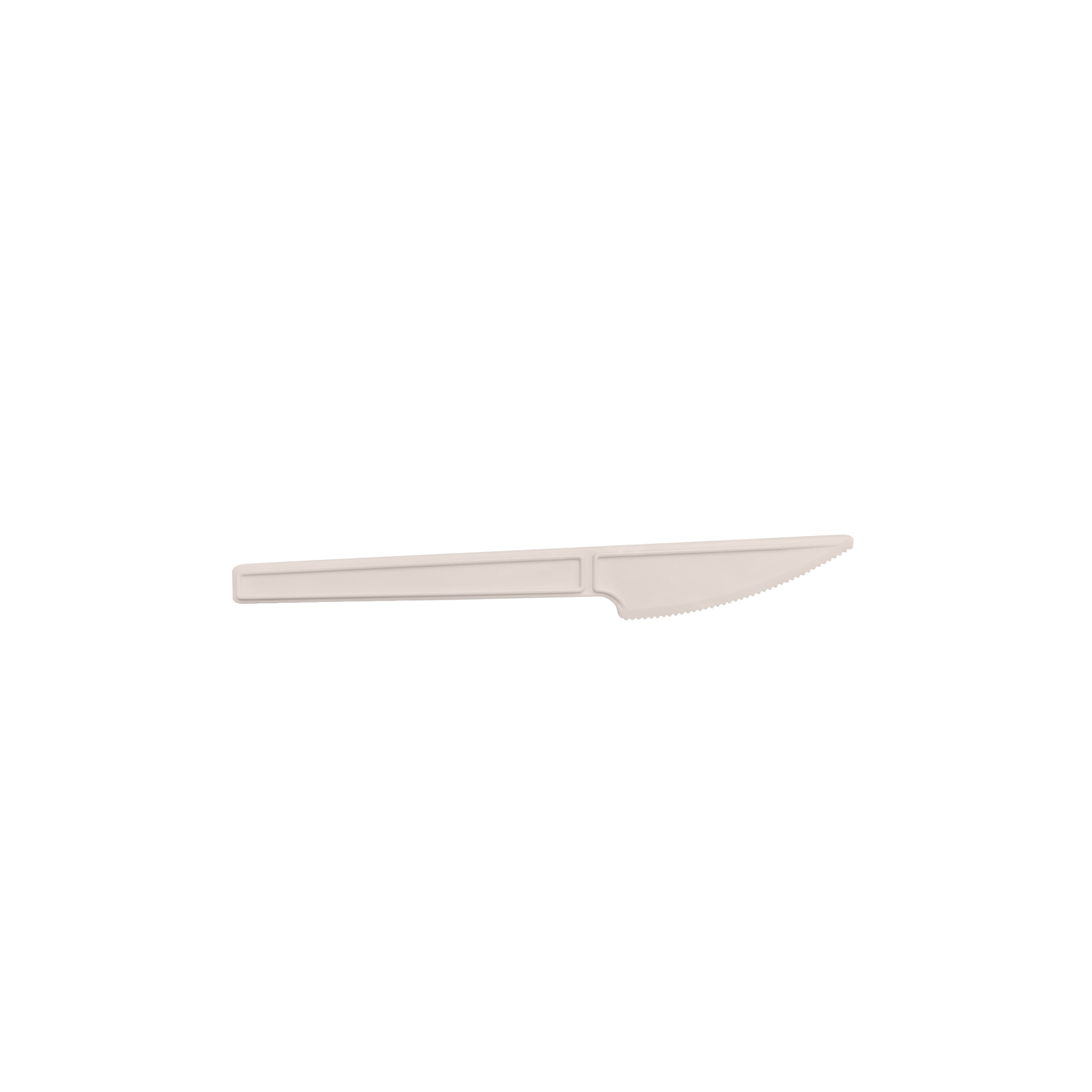
Food service and catering
View specifications →
Service, catering and takeaway
View specifications →
FREQUENTLY ASKED QUESTIONS
It is made from plant-starch biopolymer compounds using sources such as corn or wheat. The precise formulation can vary by model.
Starch-based tableware usually offers a more uniform look and a wider choice of formats, from lidded containers to cutlery. Bagasse has a more matte, naturally fibrous appearance. The better choice depends on the food, transport method and desired presentation.
The models in this range are designed for microwave and freezer use. Follow the use instructions supplied with each model.
Yes. Products in this range are designed for normal contact with oily and moist foods.
Correct separation and transfer to an appropriate waste-management route are important parts of responsible use.
Food type, portion size, journey time and packing method all affect the right choice.